
In the world of home maintenance, the electrical panel often remains out of sight and out of mind. However, this crucial component can be the hidden symphony that powers a home or a secret disaster waiting to disrupt daily life. Understanding the role of an electrical panel is essential for maintaining a safe living environment and is a key consideration for homeowners and potential buyers alike.
The Role of the Electrical Panel
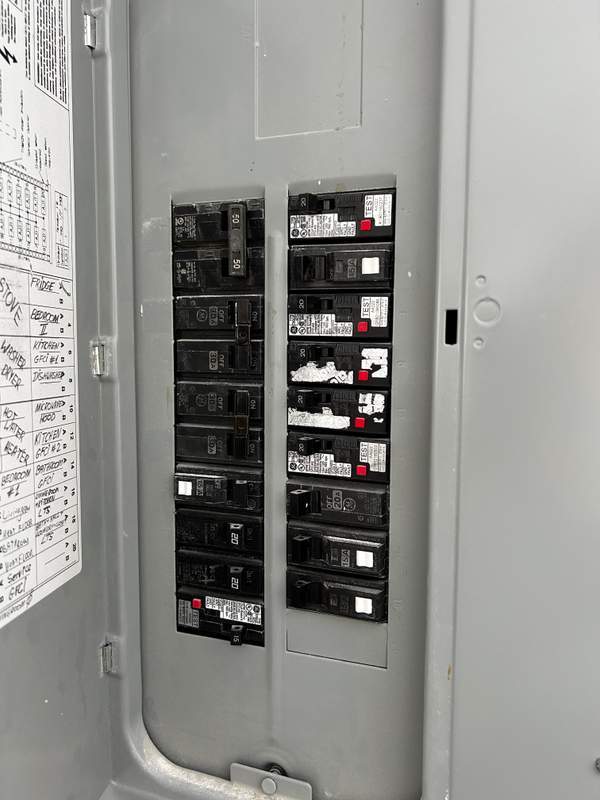
An electrical panel serves as the central hub for electricity distribution within a home. It consists of circuit breakers or fuses that control the flow of electricity to various parts of the residence. A well-functioning panel ensures efficient power distribution and protection against electrical overloads, short circuits, and other hazards.
- Capacity: Modern homes typically require panels with a minimum of 200 amps to accommodate current electrical demands.
- Components: Each circuit breaker corresponds to a specific area or appliance in the home, and labeling is essential for identifying and managing these circuits.
- Compliance: Adherence to the National Electrical Code (NEC) is crucial for ensuring safety and compliance with local regulations.
Recognizing Potential Issues
Professional inspectors often encounter several common issues with electrical panels that can pose significant risks if not addressed:
- Outdated Panels: Panels over 25 years old may not meet current safety standards and may need upgrading.
- Overloaded Circuits: Excessive electrical demand can trip breakers frequently, indicating a need for additional circuits or a panel upgrade.
- Visible Damage: Rust, burn marks, or unusual noises may signal underlying problems requiring immediate attention.
Homeowners are advised to schedule regular inspections to identify and rectify these issues promptly.
Importance of Professional Inspection
While some maintenance tasks can be managed without professional help, inspecting and evaluating an electrical panel is best left to experts. Professional inspections provide a comprehensive assessment of the panel’s condition, ensuring safety and compliance with industry standards.
Regular inspections can prevent small issues from becoming major problems, safeguarding both the property and its occupants.
In conclusion, an electrical panel is a critical component that requires regular attention to ensure a safe and efficient home environment. Engaging professional inspection services can help uncover hidden issues before they escalate, ensuring peace of mind and the safety of all residents.
Recent Comments